AltLife-SSEA
Alternative life projects in rural South & Southeast Asia
Reflecting on post-development through diverse “emplaced collectives”
All over the world, growing social inequality and disenchantment with Western modernity have given rise to experiments with alternative ways of living. Climate change and the need for an "environmental transition" have only made these projects more urgent. In addition to well-established initiatives dating back to the late 1960s, "ecovillages" have emerged and multiplied across five continents over the last three decades. Furthermore, people in the "Global South", including indigenous peoples, are trying to preserve or rediscover their own alternatives to dominant "development" models imposed upon them.
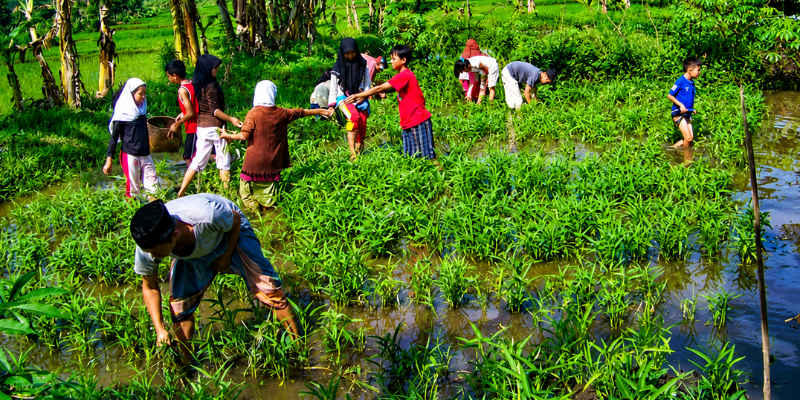
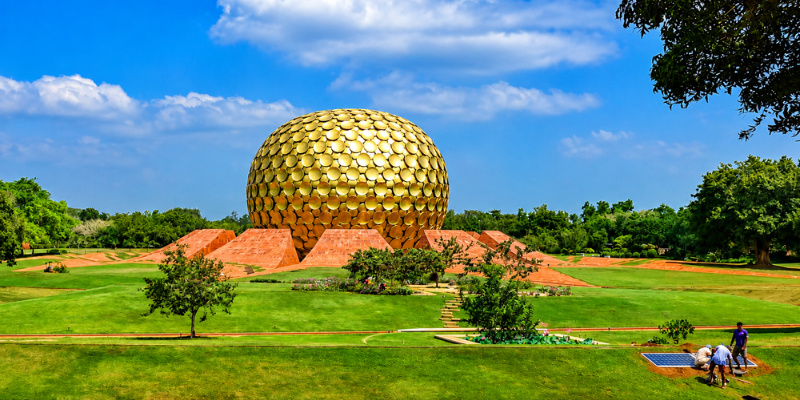
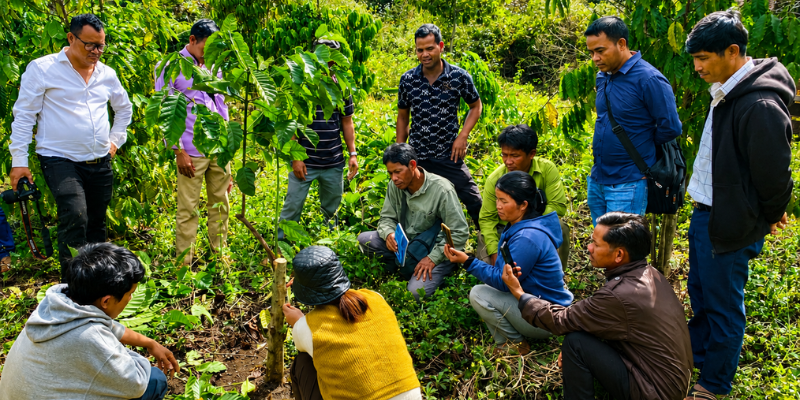
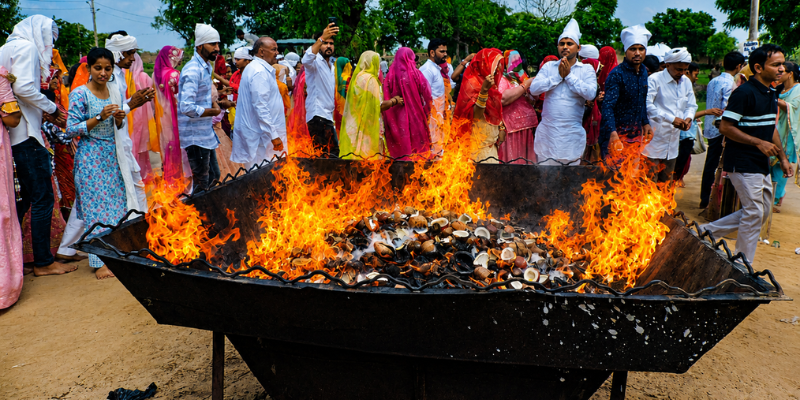
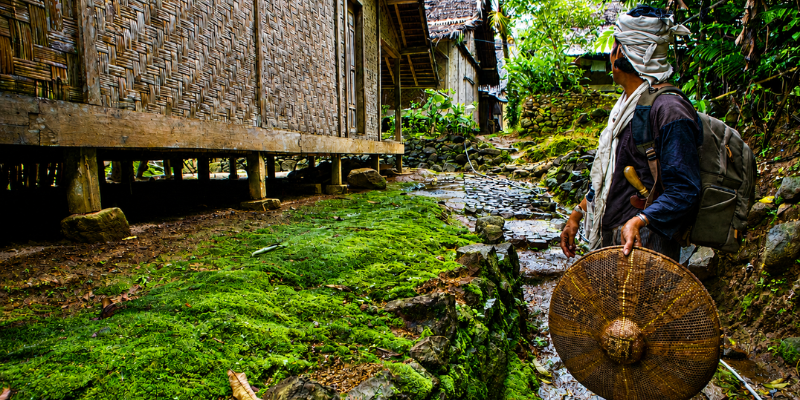
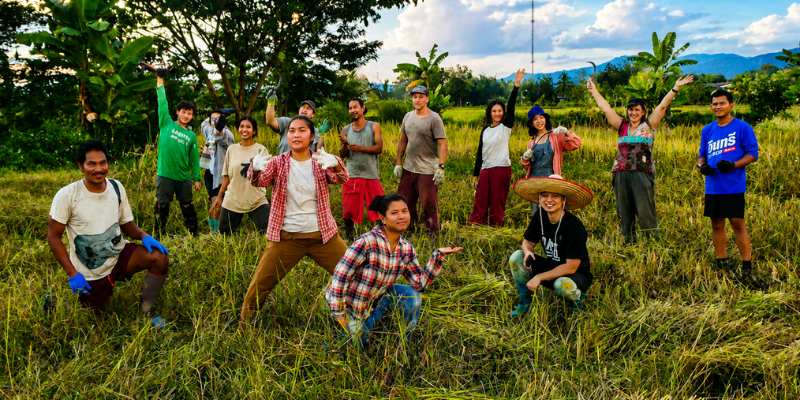
The research hypothesises that a comparative study of different types of alternative life projects, as well as the factors contributing to their conduct, can inform a broader reflection on the viability of these projects. It proposes to explore a variety of "emplaced collectives", that is, according to Mario Blaser (2019) “heterogeneous assemblages of human and non-human entities that situate themselves in a specific place and are bound by mutual obligations”. Although these various collectives share a critical stance towards the development dynamics imposed upon them, they speak from very diverse contexts and ontological perspectives.
The AltLife project will distinguish between three types of collectives: (1) cosmopolitan collectives, which have been intentionally created and involve people from a variety of places and countries who try to build new alternative ways of life together, (2) preservationist endogenous collectives, which have existed in a place for generations and now struggle to maintain aspects of their way of being in the world that are valuable to them, and finally (3) (re)converting endogenous collectives, comprising local people who, through interaction with external agents, have chosen to change their way of life in order to foster or “return to” more sustainable relationships with the natural environment. By considering together these different types of emplaced collectives, which tend to be studied separately, AltLife reflects upon alternative life projects in their complexity.
Geographically, the focus lies on South and Southeast Asia, and as regions that are not only sources of inspiration, commonly seen as lands of "Asian spirituality" and home to indigenous peoples, but also thoroughly invested in politics of modernisation. Thus, this part of the world appears to be highly suitable for examining the specificities of alternative life projects, as they take shape in tension with their surroundings.
Using a transdisciplinary approach, a comparative analysis of these collectives is carried out with the aim of revealing: 1. their materiality and spatial forms of (re)rooting, 2. the social and institutional reconfigurations at work, and 3. the (cosmo)political imaginaries and subjectivities that shape them.
The project is not only informed by the practices and reflections of emplaced collectives, but it also aims to foster forms of dialogue, particularly through artistic mediation. These dialogues will materialise in two online open-access ressources: a collaborative glossary on alternative life projects in South and Southeast Asia, as well as an interactive map involving artists and giving insights about the various emplaced collectives. An itinerant exhibition - scheduled for late 2028 - constitute the bedrock for disseminating these diverse research outputs, both in Asia and Europe.